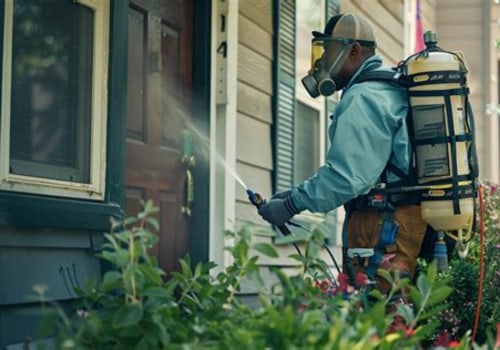
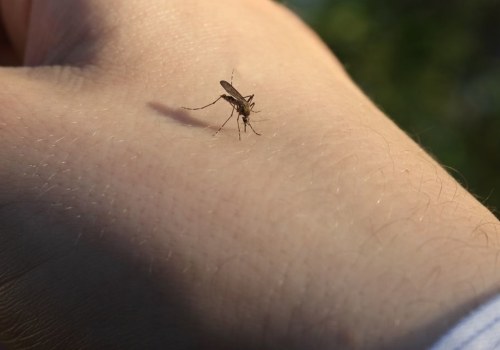
Building foundations are designed to provide stability, distribute structural loads, and support the long-term performance of an entire structure. While foundation design typically focuses on soil conditions, drainage, and construction materials, structural engineers also recognize that environmental factors can influence the durability of these critical components over time. One often-overlooked consideration is preventive pest management. Although pest control is commonly associated with protecting indoor living spaces from insects and rodents, it also plays an important role in preserving the areas surrounding a building's foundation. Termites, carpenter ants, burrowing rodents, and other pests can affect structural materials, disturb surrounding soil, or create conditions that contribute to moisture retention and long-term deterioration. By incorporating preventive pest management into regular property maintenance, homeowners and commercial property managers help safeguard both the structural integrity and overall health of their buildings while reducing the likelihood of expensive repairs in the future.
Protecting Foundations Begins Outside the Structure
Structural engineers understand that many foundation-related concerns originate outside the building rather than within the structure itself. Proper grading, drainage, landscaping, and pest management all contribute to maintaining stable soil conditions around the foundation. Certain pests create tunnels or nesting areas beneath landscaping, retaining walls, patios, or nearby structures, potentially affecting soil stability over extended periods. While individual pest activity may appear minor, repeated burrowing or colony expansion can gradually alter drainage patterns or weaken localized support in surrounding areas. Preventive pest management helps minimize these risks by identifying and addressing infestations before they become widespread. Companies such as Open Concept Engineering appreciate that successful structural performance depends not only on sound engineering principles but also on consistent property maintenance practices that protect the building from external environmental influences. Coordinating engineering expertise with responsible pest prevention creates a more comprehensive approach to preserving long-term structural reliability.
Preventing Moisture and Material Damage
Many pests are attracted to environments where moisture accumulates, making proper pest management closely connected to foundation protection. Standing water, clogged drainage systems, overgrown vegetation, or poorly maintained landscaping can create ideal conditions for termites, insects, and rodents while simultaneously increasing the likelihood of foundation-related moisture issues. Termites, in particular, may damage wooden structural components that are located near or connected to foundation systems, while rodents can chew through insulation, utility lines, or protective barriers that contribute to overall building performance. Preventive inspections often reveal moisture problems, deteriorating wood, or gaps around the foundation that deserve attention even before pests become a significant concern. Structural engineers value these early observations because they help property owners address underlying maintenance issues that could eventually affect both the building envelope and supporting structural elements. By reducing moisture and eliminating favorable conditions for pest activity, homeowners create a healthier environment for the building as a whole.
Long-Term Building Performance Through Preventive Care
Protecting a building's structural integrity requires more than designing a strong foundation during construction. Long-term performance depends on consistent maintenance practices that preserve surrounding conditions year after year. Preventive pest management complements regular inspections of drainage systems, grading, landscaping, waterproofing, and structural components by reducing environmental factors that contribute to deterioration. Property owners who schedule routine pest inspections alongside other preventive maintenance services are often better equipped to identify developing concerns before they require extensive repairs. This proactive approach helps preserve property value, supports occupant safety, and reduces unexpected maintenance expenses over the life of the building. Structural engineers recognize that every component surrounding a foundation—including soil, vegetation, drainage, and pest activity—can influence structural performance when left unmanaged. Ultimately, preventive pest management should be viewed as an important part of responsible property stewardship rather than an isolated maintenance task. When combined with sound engineering, proper drainage, and regular inspections, it helps create stronger, healthier, and more resilient buildings that continue performing safely and efficiently for many years to come.