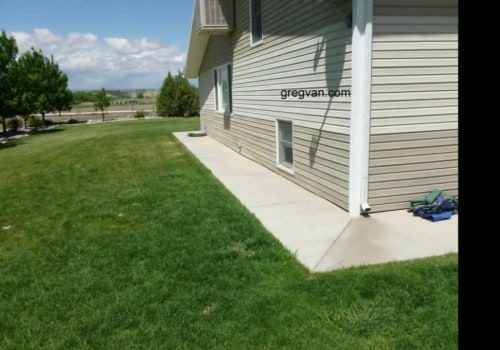
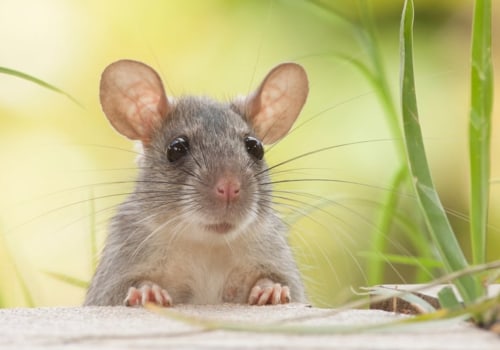
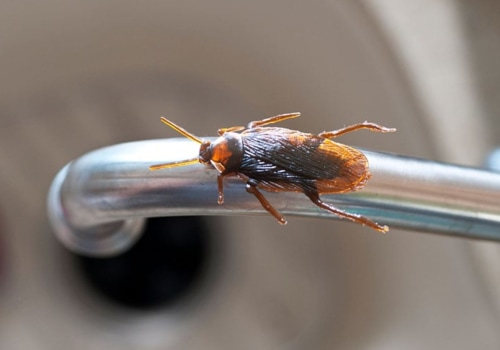
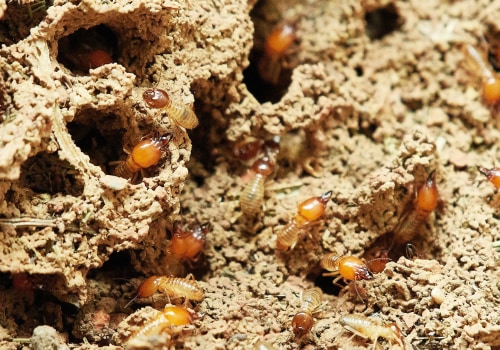
Effective outdoor pest control begins with understanding how environmental conditions influence pest activity, and one of the most important factors is proper drainage. Standing water, clogged gutters, and poorly directed runoff create ideal breeding grounds for pests such as mosquitoes, ants, and rodents. When water accumulates around a property, it not only damages landscaping and structures but also attracts insects that thrive in damp environments. Homeowners who focus solely on chemical treatments often overlook the root cause of infestations, which is frequently linked to excess moisture. By improving drainage systems, including grading soil away from foundations and ensuring gutters are functioning properly, property owners can significantly reduce the conditions that allow pests to multiply in the first place.
How Water Management Reduces Pest Activity
Outdoor pest control methods become far more effective when paired with strategic water management. Eliminating stagnant water disrupts the life cycle of many pests, particularly mosquitoes that rely on standing water to lay eggs. Proper drainage also helps prevent soil erosion and keeps landscaping areas dry, making them less hospitable to insects and small animals. Downspouts that direct water away from the home, French drains that manage runoff, and clean gutters all contribute to a balanced outdoor environment. In regions prone to heavy rainfall, maintaining these systems is especially important to prevent overflow and pooling. Homeowners who invest in solutions like gutter guards in Raleigh can minimize debris buildup in gutters, ensuring that water flows freely and does not create hidden pockets of moisture where pests can thrive.
Integrating Structural and Preventive Solutions
Combining structural improvements with preventive pest control strategies creates a more sustainable approach to managing outdoor spaces. While treatments such as sprays and traps can address immediate issues, long-term success depends on removing the conditions that attract pests in the first place. Proper drainage systems work alongside landscaping techniques, such as using gravel beds, installing permeable surfaces, and maintaining trimmed vegetation, to create an environment that is less inviting to unwanted insects and animals. Additionally, keeping outdoor areas clean and free of organic debris further reduces the likelihood of infestations. This integrated approach not only enhances the effectiveness of pest control methods but also reduces the need for frequent chemical applications, making it a more environmentally friendly solution.
Long-Term Benefits of Proper Drainage
Investing in proper drainage systems offers long-term benefits that extend beyond pest control. It helps protect the structural integrity of a home, prevents water damage, and supports healthier landscaping. At the same time, it creates an outdoor environment that is more comfortable and enjoyable for residents. By addressing moisture issues at their source, homeowners can maintain cleaner, safer spaces while reducing the presence of pests naturally. This proactive approach reflects a shift toward smarter property maintenance, where prevention takes precedence over reaction. Ultimately, combining effective drainage with targeted pest control methods ensures a balanced ecosystem that supports both the home and its surrounding environment, leading to more sustainable and lasting results.