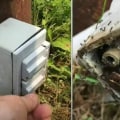
Effective year-round outdoor pest control planning begins with understanding how pest activity shifts with the seasons. In spring, rising temperatures encourage insects like ants, termites, and mosquitoes to emerge and reproduce. Summer intensifies these populations, while also attracting stinging insects and rodents seeking food and water sources. As fall approaches, pests begin searching for warm shelter, often attempting to enter homes through small cracks, vents, or roof gaps. Winter may appear quieter, but many pests remain active beneath soil, inside wall voids, or in sheltered outdoor structures. Recognizing these predictable patterns allows homeowners to implement preventative strategies before infestations escalate. Rather than reacting to visible problems, a proactive, season-by-season approach builds long-term protection.
Building a Strong Preventative Foundation
A successful outdoor pest control plan starts with prevention. Regularly inspecting the home’s exterior for cracks, damaged screens, and gaps around utility lines helps eliminate entry points. Sealing foundation openings and maintaining tight-fitting doors reduce opportunities for insects and rodents to move indoors. Landscaping also plays a significant role in pest management. Trimming shrubs away from exterior walls, clearing leaf litter, and ensuring proper drainage discourages nesting and breeding sites. Storing firewood away from the home and keeping trash bins tightly sealed further reduces attractants. These foundational steps create an environment that is less inviting to pests, minimizing the likelihood of infestations throughout the year.
Targeted Treatments for Ongoing Protection
While preventative measures are essential, targeted treatments reinforce long-term results. Applying seasonal barrier treatments around the perimeter of the home can deter crawling insects before they reach entry points. Mosquito control strategies, such as eliminating standing water and using environmentally responsible larvicides, help reduce populations during warmer months. Rodent bait stations placed strategically along property lines provide an added layer of defense. In some cases, homeowners may also need professional services, particularly when wildlife becomes an issue. Situations such as animal in attic removal require specialized expertise to ensure safe extraction and prevent future re-entry. Addressing these concerns promptly prevents structural damage and reduces health risks associated with wildlife intrusion.
Monitoring and Adjusting Throughout the Year
Pest control is not a one-time task; it requires continuous monitoring and adjustment. Weather changes, construction activity, and even neighboring landscaping can influence pest movement. Conducting monthly visual inspections of fences, sheds, crawl spaces, and rooflines helps identify early warning signs such as droppings, gnaw marks, or damaged insulation. Installing motion-activated lighting and maintaining proper exterior illumination can deter nocturnal pests. Additionally, maintaining healthy soil and lawn conditions reduces habitats for insects that thrive in overly damp or neglected areas. By staying vigilant and adapting strategies as conditions change, homeowners maintain control rather than allowing pests to gain a foothold.
Long-Term Benefits of Consistent Planning
Year-round outdoor pest control planning provides more than just immediate relief from nuisance insects or animals. It protects structural components from termite damage, preserves insulation and wiring from rodent destruction, and reduces the risk of contamination from droppings or nesting materials. Consistency also leads to cost savings, as preventing infestations is typically far less expensive than addressing large-scale problems. Moreover, a well-maintained exterior enhances overall property value and curb appeal.
By combining seasonal awareness, preventative maintenance, targeted treatments, and ongoing monitoring, homeowners create a comprehensive pest control strategy designed for long-term protection. Instead of reacting to problems as they arise, thoughtful planning ensures that outdoor spaces remain safe, comfortable, and resilient throughout every season of the year.