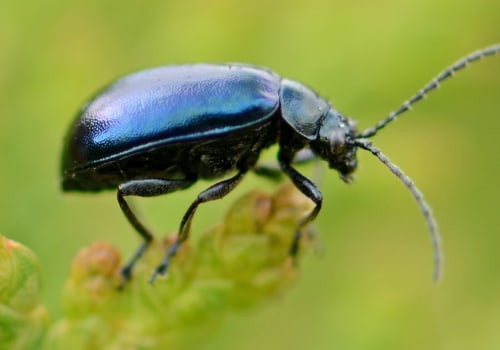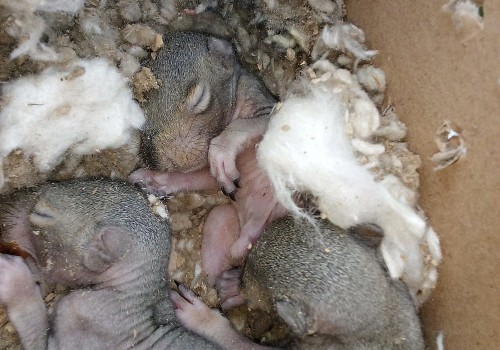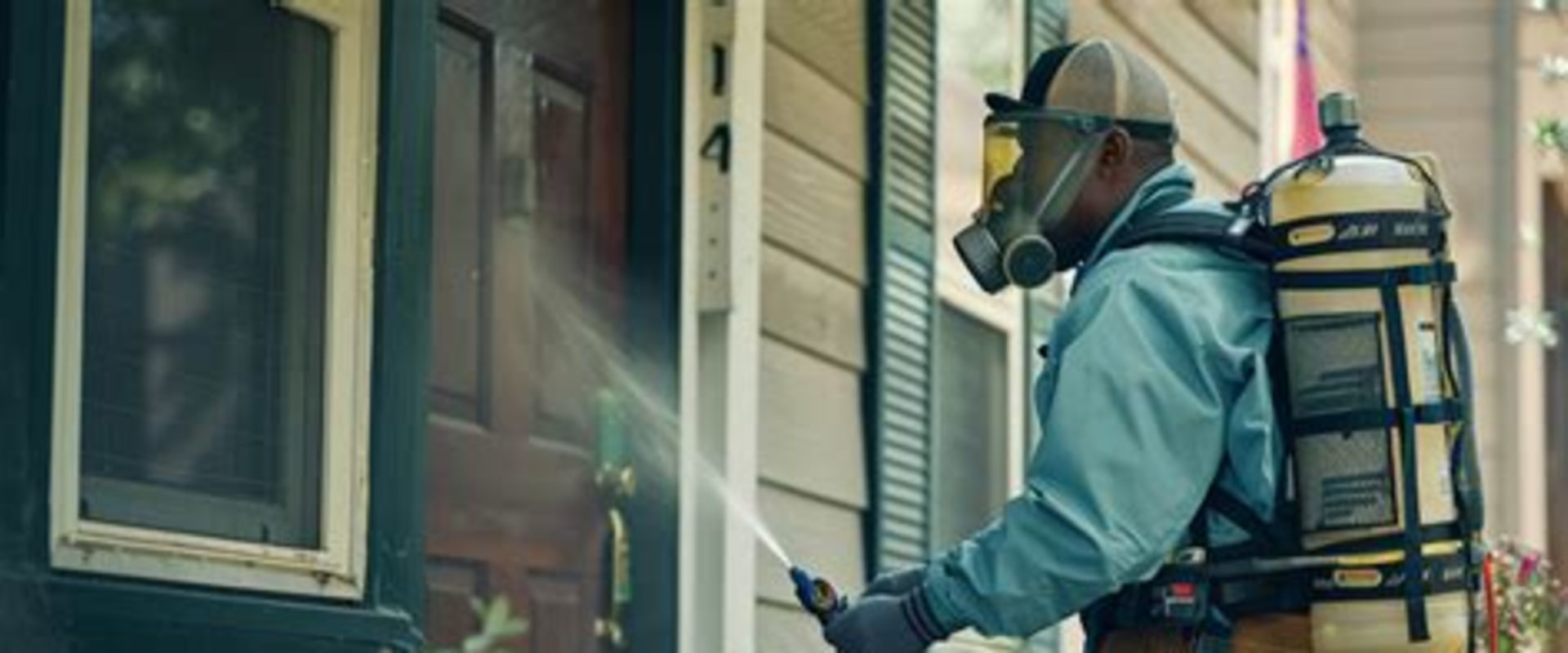
Outdoor pest control is typically associated with maintaining comfort and cleanliness around a property, but it also plays a crucial role in supporting electrical safety. Pests such as rodents, ants, and insects often seek shelter in areas where electrical components are located, including outdoor panels, lighting fixtures, and conduit systems. When these pests infiltrate electrical spaces, they can cause damage by chewing through insulation, creating nests, or blocking ventilation. These actions increase the risk of short circuits, overheating, and potential fire hazards. Recognizing this connection allows homeowners to take a more comprehensive approach to maintaining both pest control and electrical system integrity.
Preventing Pest Access to Electrical Components
One of the most effective outdoor pest control approaches is preventing pests from accessing electrical installations in the first place. Sealing gaps around electrical boxes, conduits, and exterior walls helps eliminate entry points that pests commonly exploit. Proper landscaping also plays a role, as overgrown vegetation can provide pathways for pests to reach electrical fixtures. Keeping plants trimmed and maintaining clear spaces around outdoor equipment reduces the likelihood of infestations. Additionally, using pest-resistant materials and protective coverings around wiring adds an extra layer of defense against potential damage.
Managing Moisture and Environmental Conditions
Moisture control is another key factor in both pest prevention and electrical safety. Standing water and damp conditions attract pests and can also compromise electrical components by promoting corrosion and reducing insulation effectiveness. Ensuring proper drainage, cleaning gutters, and avoiding overwatering landscaping areas help maintain a dry environment that is less appealing to pests. These practices also protect electrical systems by minimizing exposure to moisture-related risks. By addressing environmental conditions, homeowners can create a safer and more stable outdoor space.
Coordinating Pest Control with Electrical Maintenance
Integrating pest control efforts with routine electrical maintenance enhances overall system reliability. Scheduling services such as an electrical safety inspection in Frisco alongside pest control treatments allows professionals to identify and address overlapping issues. For example, an inspection may reveal signs of pest activity within electrical panels, prompting immediate action to prevent further damage. This coordinated approach ensures that both systems are maintained effectively, reducing the likelihood of recurring problems and improving long-term performance.
Long-Term Benefits of Integrated Safety Practices
Combining outdoor pest control with electrical safety measures offers significant long-term benefits. By preventing pest-related damage, homeowners can extend the lifespan of their electrical systems and reduce the need for costly repairs. A pest-free environment also enhances the overall safety of the property, minimizing risks associated with electrical malfunctions. Over time, these integrated practices contribute to a more efficient and secure home, where both natural and mechanical systems are protected. Ultimately, understanding how pest control complements electrical safety allows homeowners to adopt a proactive strategy that supports lasting reliability and peace of mind.