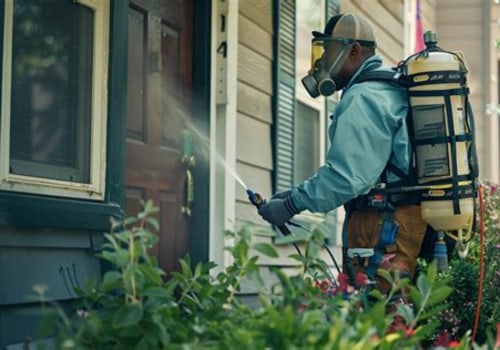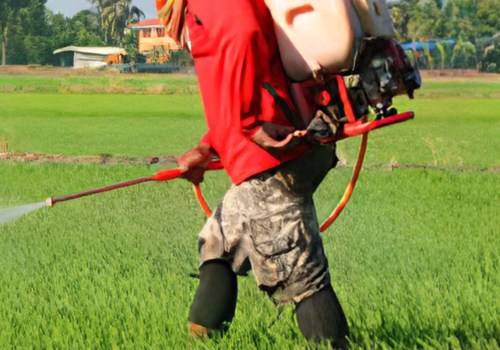
Outdoor pest control starts with understanding how pest activity changes with the seasons. In spring, rising temperatures and increased moisture create ideal conditions for ants, termites, mosquitoes, and other insects to emerge and reproduce. Summer intensifies these problems, as pests seek food, water, and shelter around homes, patios, and gardens. Fall brings a different challenge, with rodents and insects looking for warm places to nest before colder weather sets in. By recognizing these seasonal patterns, homeowners can take proactive steps instead of reacting after infestations have already become established. Anticipation is one of the most effective tools in outdoor pest management, allowing you to address vulnerabilities before pests exploit them.
Yard Maintenance as the First Line of Defense
Consistent yard maintenance plays a critical role in preventing outdoor pest infestations. Overgrown grass, dense shrubs, and piles of leaves provide hiding and breeding spots for insects and rodents. Regularly mowing the lawn, trimming vegetation away from the house, and removing organic debris can significantly reduce pest harborage. Standing water should also be eliminated, as it attracts mosquitoes and other insects that breed in moist environments. Gutters should be kept clear to prevent water buildup near the foundation. These simple habits reduce the environmental conditions pests rely on, making your outdoor space far less appealing to seasonal invaders.
Smart Use of Barriers and Natural Deterrents
Physical barriers and natural deterrents can be highly effective when used correctly. Sealing cracks in outdoor walls, repairing damaged screens, and ensuring proper door sweeps limit entry points for pests. In gardens, mulch should be used sparingly and kept away from foundations, as excessive mulch retains moisture and attracts insects. Natural repellents such as cedar chips, certain essential oils, and pest-resistant plants can also help discourage pests without relying heavily on chemicals. While these methods may not eliminate all pests, they reduce pressure and help maintain balance in your outdoor environment.
Timing Treatments for Maximum Effectiveness
Timing is crucial when applying outdoor pest control treatments. Preventive treatments applied early in the season are often more effective than reactive measures taken after pests are visible. For example, treating for ants and termites in early spring can stop colonies from establishing near your home. Mosquito control is most effective when larvae are targeted before they mature. Understanding when specific pests are most active allows treatments to work with natural life cycles rather than against them. In more complex or recurring situations, working with pest control companies can provide professional insight into seasonal treatment schedules and long-term prevention strategies.
Creating a Sustainable Long-Term Strategy
Successful outdoor pest control is not about one-time solutions but about building a sustainable, long-term approach. Combining good sanitation, structural maintenance, natural deterrents, and properly timed treatments creates a layered defense that adapts to seasonal changes. Monitoring pest activity regularly helps catch problems early and adjust strategies as needed. Over time, this proactive mindset reduces the severity and frequency of infestations, protects outdoor living spaces, and contributes to a healthier environment around the home. With consistent effort and informed planning, managing seasonal outdoor pests becomes a manageable and predictable part of home maintenance rather than an ongoing frustration.