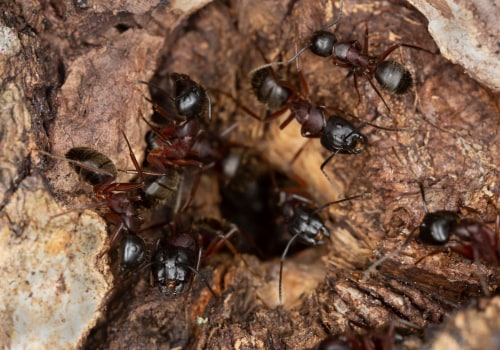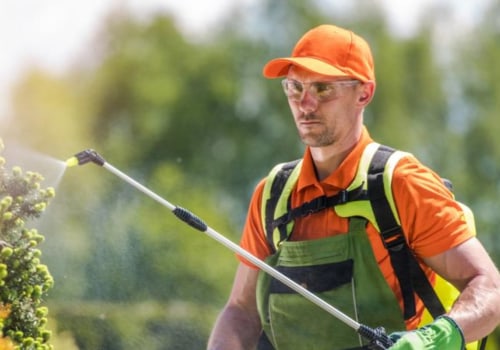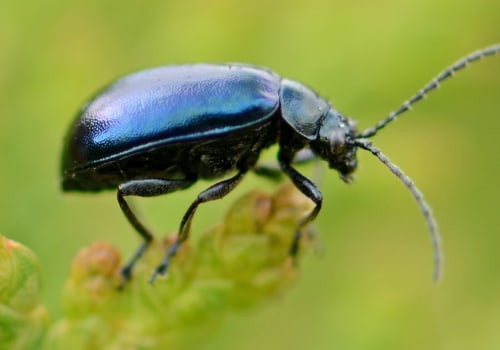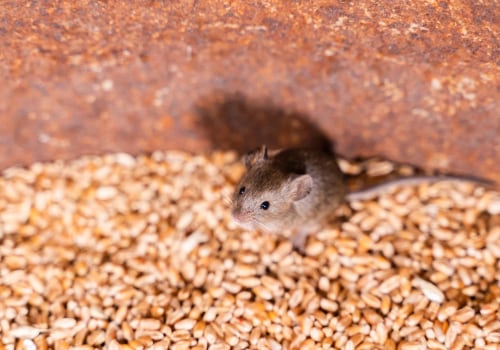
Many homeowners focus on indoor treatments when dealing with seasonal pest infestations, but pest control experts consistently emphasize that outdoor property conditions are often the real reason these problems develop in the first place. As temperatures change throughout the year, pests begin searching for reliable sources of food, water, and shelter, and the exterior condition of a property can either discourage or attract them. During warmer months, mosquitoes, ants, termites, and cockroaches thrive in damp outdoor environments, while cooler seasons often drive rodents and other pests closer to homes in search of warmth and protection. Cracked concrete, poor drainage, overgrown landscaping, standing water, and deteriorating outdoor surfaces create ideal hiding spots and travel routes for pests before they eventually move indoors. Pest infestations rarely appear without warning, and many experts explain that the earliest signs of trouble often begin around patios, driveways, sidewalks, foundations, and other exterior areas where moisture and debris accumulate over time.
Moisture and Shelter Encourage Pest Activity
One of the main reasons outdoor property conditions matter so much is because pests are naturally drawn to moisture and shelter. Water that collects near foundations, damaged concrete surfaces, or uneven walkways creates damp conditions that attract insects and support breeding activity. Mosquitoes reproduce in standing water, termites prefer consistently moist soil, and ants often establish colonies near wet surfaces where food and water are easier to access. At the same time, cluttered outdoor spaces and neglected surfaces provide cover for rodents, spiders, and other pests that prefer dark, hidden environments. Even small cracks in exterior concrete or gaps around walkways can become entry points that allow pests to move closer to the home undetected. Pest control professionals frequently advise homeowners to inspect outdoor areas after storms or seasonal weather changes because surface deterioration and drainage problems can worsen quickly. Proper maintenance of these spaces not only improves curb appeal but also removes many of the environmental conditions pests depend on to survive and spread.
Exterior Repairs Can Reduce Pest Risks Naturally
Preventing seasonal infestations often requires more than routine spraying or temporary pest treatments. Addressing the outdoor conditions that attract pests is a more effective long-term strategy. Repairing cracked concrete, improving drainage, and maintaining exterior surfaces can significantly reduce the amount of moisture and shelter available around a property. Companies specializing in surface restoration and concrete repair, such as Concrete Revival, help homeowners improve water runoff and restore damaged outdoor areas before they contribute to larger structural or pest-related concerns. Smooth, properly maintained surfaces are less likely to trap standing water or create hidden crevices where pests can nest. In addition, correcting uneven walkways or deteriorating patios can help prevent soil erosion near the foundation, reducing opportunities for burrowing pests and rodents. Pest management professionals often stress that combining exterior maintenance with regular cleaning and landscaping care creates a much stronger defense against seasonal infestations than relying solely on indoor treatments after pests have already entered the home.
Prevention Starts with Outdoor Property Care
Seasonal pest prevention is most effective when homeowners take a proactive approach to maintaining the entire property rather than reacting only when infestations appear indoors. Routine inspections of sidewalks, driveways, patios, gutters, and landscaping can help identify drainage issues, cracks, or areas where moisture regularly accumulates. Removing debris, trimming vegetation, and repairing damaged surfaces early can make a major difference in discouraging pests before they become a larger problem. Pest experts regularly explain that outdoor conditions directly influence the likelihood of infestations because pests will naturally stay close to environments that provide easy access to water, food, and shelter. By maintaining exterior property conditions and addressing structural concerns promptly, homeowners can reduce seasonal pest activity naturally while also protecting the long-term appearance, safety, and value of their homes.